
 English




Product Care
How to Make Your Clothes Last Longer: Fabric Care Tips

Clothing is an investment in both style and comfort, and taking proper care of garments ensures they remain in excellent condition for years. Understanding fabric properties, washing techniques, storage methods, and everyday habits can dramatically extend the life of your wardrobe. Simple changes in care routines can prevent wear, preserve colors, maintain shape, and keep fabrics feeling fresh, making each piece a lasting part of your collection.
The first step in preserving clothing is to understand the types of fabrics you own. Natural fibers such as cotton, linen, silk, and wool behave differently from synthetic materials like polyester, nylon, or rayon. Each fabric has unique characteristics that determine how it should be cleaned, dried, and stored. Taking the time to learn these differences ensures that every garment receives the care it needs to maintain appearance and durability.
Proper washing techniques are essential for longevity. Gentle washing, whether by hand or using a delicate cycle, reduces stress on fibers and prevents stretching or fading. Avoid using harsh detergents, as strong chemicals can weaken threads over time. For delicate fabrics, cold water washes are generally preferable, as high temperatures can shrink fibers or alter texture. Additionally, separating lighter and darker garments helps maintain color vibrancy and prevents accidental staining.
Drying methods also play a significant role in garment preservation. Whenever possible, allow clothing to air dry rather than using high-heat machines, which can weaken fibers and cause shrinkage. Flat drying is ideal for delicate or knitted items, as hanging can distort shapes or stretch material. Even with sturdier fabrics, low-temperature drying or partial air drying combined with gentle machine cycles helps maintain structure and resilience over time.
Ironing and steaming should be performed with care. Excessive heat can damage fibers, while improper techniques may leave permanent marks. Using the correct temperature settings based on fabric type prevents burns or weakening of threads. Steaming is often a gentler alternative to remove wrinkles, especially for delicate or lightweight fabrics, preserving both texture and appearance.
Storage practices significantly affect how long clothes maintain their quality. Folding heavier items, such as sweaters, prevents stretching, while hanging structured pieces maintains shape. Keep garments in clean, dry environments to avoid moisture damage, mildew, or unwanted odors. Using breathable storage solutions ensures air circulation, helping fabrics retain texture and preventing the accumulation of dust or insects that can degrade materials.
Rotation of clothing also contributes to longevity. Wearing the same items too frequently without giving them time to recover can accelerate wear, especially in areas prone to friction. By rotating outfits and allowing fabrics to rest between wears, you reduce strain on fibers and maintain appearance for longer periods. This practice also encourages thoughtful wardrobe use and prolongs the life of key pieces.
Attention to stains and spills is crucial. Treat stains promptly using gentle, fabric-appropriate methods to prevent permanent marks. Avoid harsh scrubbing or strong chemicals that can weaken threads or alter color. Many stains respond well to mild detergents, soaking, or spot cleaning, ensuring garments remain clean without compromising durability.
Mindful handling of clothing reduces unnecessary wear. Fastening buttons before laundering, turning items inside out, and avoiding sharp surfaces while wearing help preserve seams and prevent pilling or snags. Small habits like these have a significant impact over time, maintaining the garment’s original quality and appearance.
Finally, embracing seasonal care routines can extend wardrobe life. Storing off-season items in breathable containers, lightly cleaning and airing garments before storage, and avoiding tightly packed spaces prevent damage from moisture, dust, and friction. Rotating clothing seasonally ensures that every piece receives attention and care, maintaining freshness and structure for years to come.
By combining careful washing, gentle drying, proper ironing, thoughtful storage, and mindful handling, your wardrobe can remain stylish, fresh, and functional for far longer than average. Understanding fabric characteristics, responding promptly to stains, and rotating pieces thoughtfully ensures that every item retains its original look, texture, and comfort. With these habits, clothing becomes a sustainable investment, allowing each garment to serve as a reliable, elegant component of your wardrobe for seasons to come.
Categories
-
 Women
65
Women
65
-
 Bottom Wear
50
Bottom Wear
50
-
 Western Wear
39
Western Wear
39
-
 Maternity Wear
9
Maternity Wear
9
-
 Women's Inners
38
Women's Inners
38
-
 Men's
62
Men's
62
-
 Men Traditional Wear
20
Men Traditional Wear
20
-
 Men Western Wear
30
Men Western Wear
30
-
 Men Inners
25
Men Inners
25
Trending Now
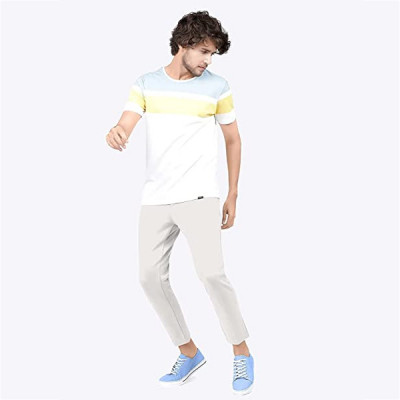
Men's Slim Fit Formal Trousers/Pant
Rs.543.00
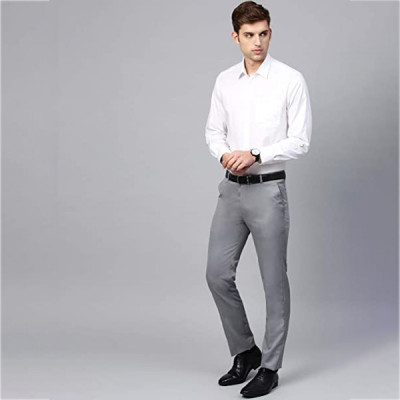
Men's Slim Fit Formal Trousers
Rs.707.00
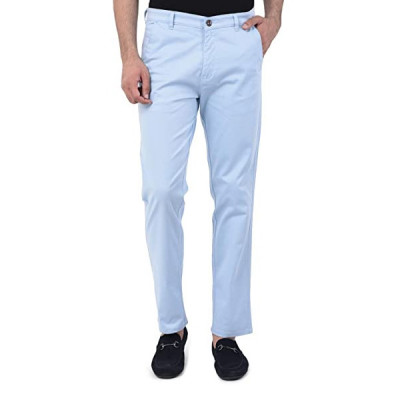
Men's Regular Fit Pants
Rs.544.00
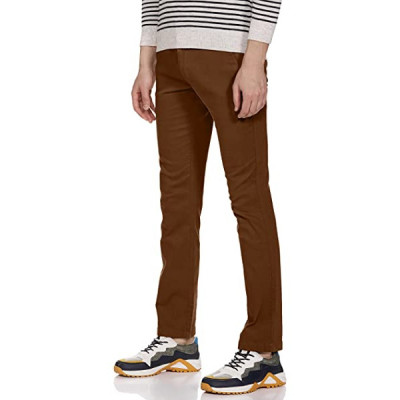
Men's Slim Casual Trouser
Rs.800.00