
 English




Fashion Know-How
How to Mix and Match Clothing Like a Pro

Mixing and matching clothing is an art that allows individuals to create diverse looks using a limited wardrobe. Mastering this skill elevates everyday outfits, giving them a polished, thoughtful appearance without requiring excessive pieces. The key lies in understanding color coordination, fabric compatibility, layering techniques, and proportions, allowing you to transform basic items into multiple stylish ensembles.
The first principle of mixing and matching is establishing a foundation of neutral tones. Shades like white, beige, gray, and soft pastels provide a versatile base for experimenting with bolder colors or subtle patterns. Neutral pieces act as anchors, making it easier to combine different elements without clashing. By building outfits around a solid neutral foundation, you gain flexibility and can rotate garments to create endless combinations.
Color harmony is essential when combining clothing. Complementary tones, such as muted blues with warm browns or soft greens with neutral grays, create a balanced and visually appealing look. Mixing contrasting tones can also work if done intentionally, but it is crucial to maintain a sense of cohesion. Sticking to a limited color palette of two to three shades per outfit helps ensure harmony and avoids overwhelming the overall look.
Patterns can add personality to your ensembles, but they require careful attention. Stripes, checks, and subtle prints can be mixed effectively when they share a common color or similar scale. Large patterns pair well with smaller, more understated designs, while tone-on-tone prints can provide texture without overwhelming the outfit. Understanding pattern balance ensures that your combinations appear deliberate rather than chaotic.
Fabric compatibility is another key consideration in mixing and matching. Lightweight fabrics, such as cotton or linen, pair seamlessly with structured materials like twill or wool. Combining different textures adds depth and interest to your look while maintaining cohesion. Avoid pairing fabrics that conflict in weight or movement, as mismatched textures can disrupt the visual flow of the outfit.
Layering is a powerful tool to create versatility within your wardrobe. Incorporating a structured layer over a softer base piece can add sophistication and dimension. Layers allow you to combine different colors, patterns, and textures while maintaining harmony. Subtle layering also provides practical benefits, allowing outfits to adapt to varying temperatures or settings without sacrificing style.
Proportion and balance are fundamental in creating professional-looking combinations. Pairing wide-legged trousers with a fitted top or a relaxed top with tailored bottoms maintains a flattering silhouette. Overly loose or tight combinations can disrupt balance, making the outfit appear unpolished. By paying attention to how pieces interact in shape and scale, you can craft ensembles that feel intentional and well-composed.
Versatility is a hallmark of a well-mixed wardrobe. Key pieces that work in multiple combinations, such as simple tops, versatile bottoms, and elegant outer layers, maximize outfit options. A single well-chosen piece can be styled for casual or semi-formal occasions by changing surrounding items, colors, or patterns. This approach reduces clutter and ensures that every garment contributes meaningfully to your wardrobe.
Confidence in wearing mixed ensembles is equally important. Clothing that fits well and moves naturally looks more refined when worn with poise. How you carry an outfit can enhance the impact of your styling decisions, making even bold or unconventional combinations appear sophisticated. Dressing with intentionality communicates awareness and strengthens the overall aesthetic.
Finally, simplicity often produces the most striking results. Thoughtful combinations of color, pattern, and texture, paired with attention to fit and proportion, create polished looks without overcomplicating outfits. Avoiding unnecessary elements allows each garment to shine and ensures that your overall style feels deliberate, modern, and cohesive.
By mastering the principles of mixing and matching - neutral foundations, color harmony, pattern balance, fabric compatibility, layering, and proportion - you can create a wardrobe that feels versatile, curated, and stylish. With attention to detail and thoughtful experimentation, even everyday clothing becomes an expression of personal style, confidence, and creativity.
Categories
-
 Women
65
Women
65
-
 Bottom Wear
50
Bottom Wear
50
-
 Western Wear
39
Western Wear
39
-
 Maternity Wear
9
Maternity Wear
9
-
 Women's Inners
38
Women's Inners
38
-
 Men's
62
Men's
62
-
 Men Traditional Wear
20
Men Traditional Wear
20
-
 Men Western Wear
30
Men Western Wear
30
-
 Men Inners
25
Men Inners
25
Trending Now
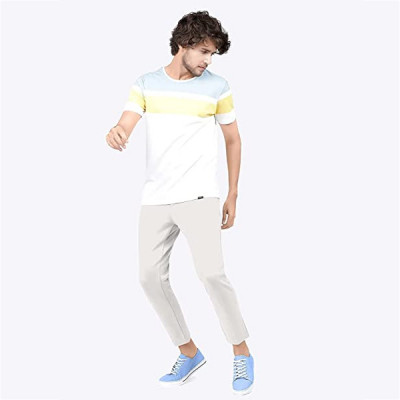
Men's Slim Fit Formal Trousers/Pant
Rs.543.00
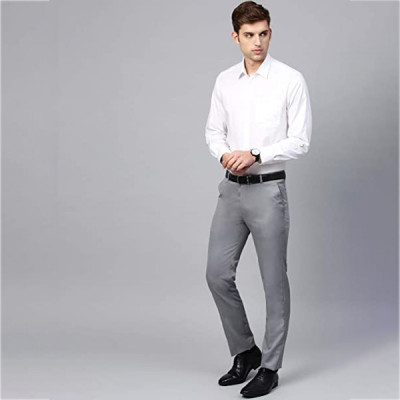
Men's Slim Fit Formal Trousers
Rs.707.00
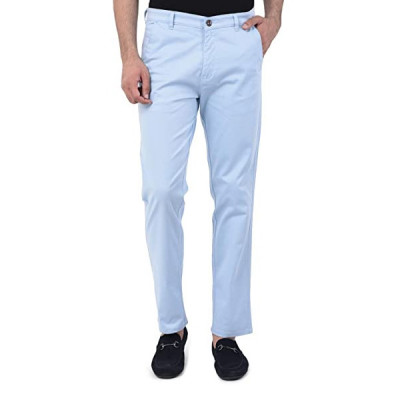
Men's Regular Fit Pants
Rs.544.00
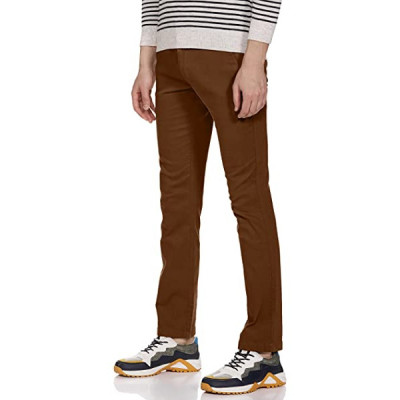
Men's Slim Casual Trouser
Rs.800.00